


2025-11-19T04:23:14
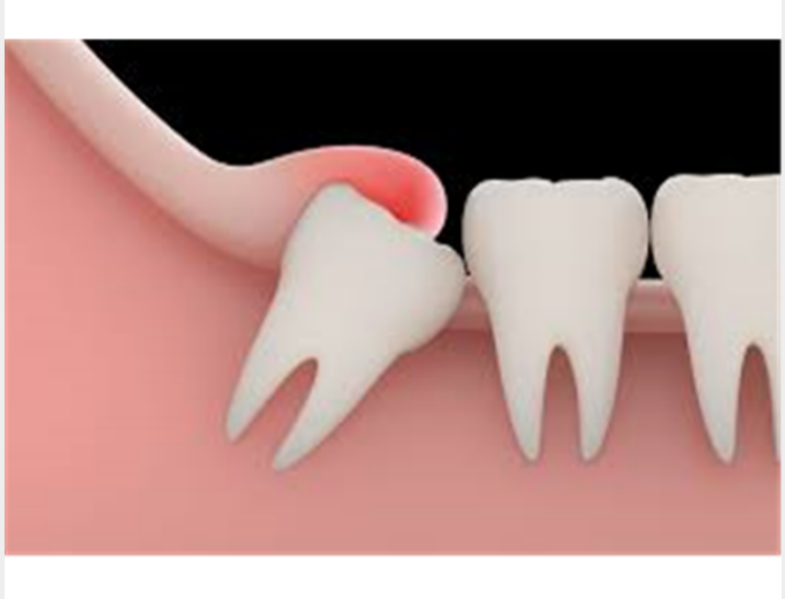
Wisdom tooth removal is a common dental procedure performed to extract the third molars, which usually erupt between the ages of 17 and 25. For many people, wisdom teeth do not have enough space to grow properly, leading to impaction, pain, swelling, and infection. Removing these problematic teeth helps prevent long-term complications and protects overall oral health. Impacted wisdom teeth can grow at an angle, get trapped inside the jawbone, or partially erupt through the gums. This creates pockets where bacteria can accumulate, causing gum infection, decay, and discomfort. Symptoms such as jaw pain, swelling, difficulty opening the mouth, and bad breath often indicate that the wisdom tooth needs attention. Early evaluation through X-rays allows the dentist or oral surgeon to determine whether removal is necessary. The wisdom tooth extraction procedure is performed under local anesthesia, ensuring minimal pain and maximum comfort for the patient. For complex cases, sedation may also be used. The dentist carefully removes the tooth, cleans the area, and provides instructions to promote proper healing. Most patients experience mild discomfort or swelling for a few days, which can be managed with prescribed medication, ice packs, and soft foods. One of the major advantages of removing wisdom teeth early is the prevention of future dental problems. Left untreated, impacted wisdom teeth can cause shifting of other teeth, jaw stiffness, cyst formation, and recurrent infections. Timely extraction saves patients from severe pain and costly treatment later. Wisdom tooth removal is a safe, routine procedure with high success rates. With proper aftercare—such as maintaining oral hygiene, avoiding hard foods, and following the dentist’s instructions—the healing process is smooth and quick. This essential treatment helps maintain a healthy mouth and protects your smile for years.